Back
Back
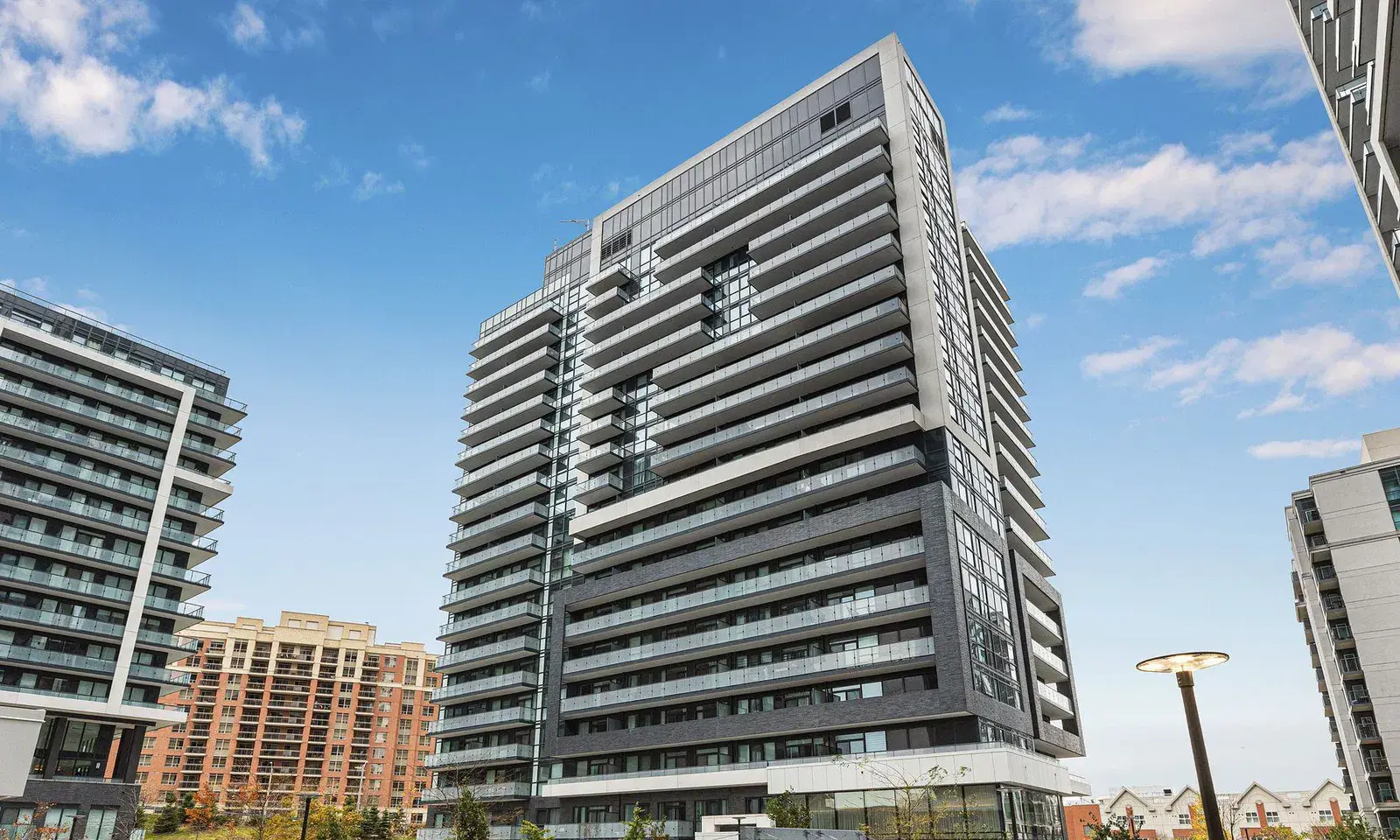
In British Columbia (BC), most existing strata buildings weren’t originally designed to support EV charging. Before installing strata EV chargers, buildings must first understand their electrical capacity, infrastructure limitations, cost considerations, and long-term EV demand.
In this guide, we’ll walk through the key steps to determine whether your BC strata is ready for EV charging, including electrical planning requirements, infrastructure considerations, available rebates, and what property managers should know before installing BC strata EV charging.
Is my BC strata ready for EV charging?
Since most BC strata buildings weren’t designed to support EV charging, the first step is an electrical assessment by a qualified electrician to determine capacity, panel loads, and what upgrades are needed.
What is an Electrical Planning Report (EPR) for a BC strata?
An Electrical Planning Report (EPR) assesses the existing electrical capacity of the building to ensure the electrical system can handle new chargers and future upgrades before installations proceed.
A strata with five or more lots is required to obtain an EPR by December 31, 2026 (metro Vancouver) or December 31, 2028 (all other areas of BC).
An EPR is a provincial requirement for strata corporations, and is separate from EV rebate programs. It provides a comprehensive assessment of the building’s overall electrical system, including current capacity, existing loads, and projected future demand.
What is an EV Ready Plan for a strata building in BC?
An EV Ready Plan (EVRP) outlines the electrical upgrades and strategy to make parking stalls ready for EV chargers. To qualify for EV chargers rebates in BC, a strata must obtain an EV Ready Plan.

Book a Consultation
We're here to get your strata up-to-speed with EV charging for your property. Book a virtual or in-person consultation with one of our EV experts to have your questions answered and to get started.
Difference Between an EV Ready Plan and Electrical Planning Report
How should BC strata property managers plan EV charging infrastructure?
When BC strata property managers plan EV charging infrastructure, there are two key considerations before starting a project: designing EV charging electrical infrastructure and selecting EV chargers best suited for your strata’s EV charging demand.
1. How can strata buildings avoid overbuilding EV charging electrical infrastructure?
One critical thing to look out for is overbuilding electrical infrastructure. When an EV charging system isn’t planned properly, oversizing equipment can add unnecessary costs and take up valuable space in electrical rooms.
A more effective approach is to take a holistic view of the building’s needs by balancing current EV charging demand and future EV adoption trends. Instead of overengineering the electrical room, EV charger power management systems allow you to install less hardware and still serve more chargers efficiently.
Having an experienced EV charging provider assess your site can help ensure the project is designed with the most cost-effective EV charging solution customized to your building’s needs.
2. How can strata councils measure resident demand for EV chargers?
Strata councils can start by sending an EV charger interest survey to their strata community to measure the actual demand for EV charging. Results of an EV charger interest survey can help you gauge EV charging demand which will help you decide if you want to install private or shared EV chargers and if any additional EV charging infrastructure is needed to support the demand.
While strata property managers typically deal directly with its owners, EV charging providers may offer to reach out directly to strata owners to assist with the sales, host information sessions, and manage the entire EV charging installation process for you.
Download: Strata Owner EV Charger Interest Survey Template
Related:
4 Key Considerations Before Installing EV Chargers For Property Managers
6 Factors to Consider When Planning Your EV Charging Infrastructure For Condos
What type of EV charger is best for a BC strata building?
Generally, there are three different types of EV charging; Level 1 EV chargers, Level 2 chargers, and Level 3 chargers (DC fast chargers). The best EV charger type for stratas are Level 2 chargers because of its compact design, affordability, and software capabilities. Here are the five main things to consider when looking for a BC strata EV charging solution:
1. Why is power management important for strata EV charging?
Smart power management is a core component of any EV charging system in a strata building, especially systems with a 4:1 EV infrastructure ratio. It enables available electrical capacity to be shared dynamically across all connected chargers, allowing more residents to charge at the same time without overloading the building’s electrical system.

The 4:1 EV infrastructure ratio for BC strata EV charging
Many strata buildings in BC are installing EV infrastructure using a 4:1 ratio, meaning four EV charging stations are connected to a single electrical circuit and share the available power capacity. Without power management, this setup can oversubscribe the electrical circuit, causing breakers to trip if multiple vehicles attempt to charge at the same time.
Smart power management prevents this by continuously monitoring available electrical capacity and dynamically distributing power across connected chargers. This allows multiple EVs to charge simultaneously, with charging speeds automatically adjusted based on real-time demand. As additional capacity becomes available, power is redistributed to increase charging speeds where possible.
This approach maximizes existing electrical capacity, improves the charging experience for residents, and reduces unnecessary strain on the building’s system. It also allows buildings to optimize energy use during peak and off-peak periods.
For property managers, the biggest advantage is cost. A power management system for EV charging minimizes or eliminates the need for expensive electrical upgrades and ensures a future-proof EV infrastructure as EV adoption increases.
Read our guide on power management systems for EV charging.
2. How does automated billing work for strata EV chargers?
EV charging software handles end-to-end billing, so property managers don’t have to deal with administrative tasks. The EV charging software tracks each resident’s energy usage, automatically generates invoices, and bills residents directly for the energy they use. Property managers have full visibility, with access to detailed billing and usage data for each resident through the platform.
In most cases, the EV charging provider collects payments from residents and remits the revenue back to the strata corporation, ensuring accurate cost recovery without manual tracking or payment collection.
3. Why is scalable EV charging infrastructure important for strata buildings?
EV charging hardware and software that is OCPP-compliant provides the flexibility needed to scale your strata’s EV charging system over time. It allows for seamless integration with new chargers, technologies, and software platforms as the needs of your building evolve. Chargers can be added over time and software updates help maintain performance and reliability while working within your building’s existing electrical capacity.

Energy Management System for increased energy efficiency
Beyond standard power management, more advanced solutions like Energy Management Systems (EMS) can further increase electrical capacity and scale your system. While power management distributes energy across chargers, EMS takes it a step further by dynamically monitoring the building’s electrical panels, or even the entire electrical system, in real time. This allows EV charging to adjust based on actual building load, unlocking additional capacity without costly upgrades.
For strata buildings, this means the ability to support more EVs over time, reduce upfront and long-term costs, and ensure the infrastructure is scalable as technology and demand evolve.
4. How does real-time EV charger monitoring help property managers?
Real-time EV charger monitoring allows property managers to view detailed dashboards and reports that provide insights needed to streamline operations for property management and ensure an efficient, well-managed charging experience for residents.
These reports and dashboards should give you insight on energy usage patterns, EV charger performance, and ongoing system maintenance checks to ensure your charging system is always running smoothly.
5. User access control
Your EV charging software should have user access control to be able to manage specific users for the private EV chargers, ensuring condo owners that their private EV charger is reserved for authorized use only.
Learn more:
EV charging software for condos
EV Charging Migration in Condos: Can I Switch EV Charging Software?
What EV charging bylaws should BC strata councils know?
For strata councils and property managers, having a clear grasp of BC’s strata EV charging bylaws is critical to staying compliant and preventing unnecessary project delays. With updates to BC’s EV charging bylaws, the BC government has made the approval process of installing EV chargers easier for strata property managers and strata councils. Here are the main BC EV charging bylaws property managers and strata councils should know:
What voting approval is required for strata EV charging installations in BC?
Strata councils can now approve many EV-related changes with a simple majority vote (over 50%) instead of the previous 75% vote, lowering the barrier to installing EV charging infrastructure.
Do BC strata owners have the right to install EV chargers?
Strata owners have the right to install EV chargers by submitting detailed EV charging proposals, and strata councils, determined by the Strata Property Act, must respond within three months. Strata councils may require agreements on installation, costs, and contractors, but cannot unreasonably refuse an owner's request for EV charging in their parking stall.
What other EV charging rules apply to strata buildings in BC?
The BC’s EV charging bylaws also allows:
- Exclusive use of common-property parking stalls for EV charging (for up to five years if the strata owner pays for the installation).
- Owners can be charged based on usage if authorized by strata bylaws, rules, and the strata council.
- Permanent records of EV charging infrastructure and electrical planning are kept, helping the strata monitor upgrades over time.
Read more on the BC government website.
What BC strata EV charging rebates are available?
There are several available EV charging rebates in BC that are intended to help property owners manage the cost of planning, upgrading, and installing EV chargers:
- EV Ready Plan rebate: Rebate for the cost of having an electrical professional prepare an EV Ready plan.
- EV Ready Infrastructure rebate: Helps cover electrical infrastructure upgrades needed to implement the EV Ready plan.
- EV Charger rebate: Rebates for the purchase and installation of EV chargers in your building.
With the right EV charging partner, they will help guide and assist you through the entire rebate application process, ensuring you complete necessary application forms and meeting rebate eligibility requirements.
Apply for BC EV Charging Rebates.
How much does it cost to install strata EV chargers in BC?
In general, the EV charger installation cost in a strata parking stall in BC can range between $4,000 and $10,000 per individual EV charger station (supplied, installed and including infrastructure).
Typical strata EV charger cost ranges for Level 2 EV chargers (the most common charger type for stratas):
- Turnkey strata charging solution: Installing a Level 2 EV charger typically costs $4,000–$8,000 per stall (includes the charger, software, installation, permits, commissioning, ongoing customer support). Your EV charger provider can give a more accurate quote with a site assessment and the number of residents who want to install a charger.
- Charger hardware: Level 2 EV chargers for strata parking typically range from $800–$3,000+ per unit, depending on brand, amperage, smart charging capabilities. If you’re looking to install private EV charger installations, the cost per charger is generally lower as more residents participate in purchasing one for their parking stall.
- Electrical infrastructure: EV infrastructure costs vary depending on panel distance, upgrades, breakers, and load-sharing systems. Your EV charger provider will collaborate with a certified electrician to design an efficient, cost-effective solution tailored to your strata.
- Trenching or conduit runs: When chargers are located farther from electrical rooms, trenching or conduit runs may be required. Costs are influenced by charger placement (indoor vs. outdoor charger), surface type (concrete vs. asphalt), and overall site layout.
- EV charger software: Level 2 chargers include EV charging software at no monthly software fees, providing reliable charging features such as user control access, automated billing, real-time monitoring, and power management for strata properties.
- Ongoing costs: After installation, ongoing costs can include electricity and utility demand charges (based on peak load), as well as any subscription, operation, maintenance, and transaction fees.
- Customer support: With the right EV charging provider, they will offer free, ongoing customer support for you and your strata residents, ensuring resident satisfaction and that your system works smoothly.
The cost of a strata EV charging solution heavily depends on your building’s electrical capacity, parking layout, and number of chargers. With the right infrastructure design and EV charging software, strata corporations can reduce current project installation and future expansion costs.
Learn more:
How Much Does It Cost To Install An EV Charger In My Condo Parking Spot?
What should BC strata property managers know before installing EV chargers?
Installing BC strata EV charging is a multi-step process that can be achieved through careful planning and preparation. Here are some things BC strata property managers should know before installing EV chargers.
Start planning early. Rebate pre-approval needs lead time, and electrical assessments may require additional infrastructure or electrical upgrades. Early planning ensures a smoother process and maximizes incentive opportunities to save you money.
Choose an EV charging provider that offers a turnkey solution. A full-service provider can guide you through every step of the project, from site assessments and design to installation, permitting, and resident onboarding.
Think about the demand of EVs for your strata. Choose a scalable charging system that can support expansion without costly electrical upgrades.
Track BC strata EV charging bylaws and regulations. Stay informed of changing provincial and municipal EV requirements and incentives to ensure your strata remains fully compliant.
What are the next steps for installing EV charging in a strata building?
metroEV specializes in turnkey EV charger installations across Canada. We handle everything from electrical assessments and rebate applications to EV infrastructure design, installation, and ongoing customer support.
Contact metroEV to get a customized EV charging quote for your property.
Learn more:
6 Factors to Consider When Planning Your EV Charging Infrastructure For Condos
Understanding EV Charging Costs: A Breakdown
Guide to EV Charging Stations and How They Actually Work
Explore:
EV Charger Rebates in BC
EV Charger Rebates in Canada
EV Charging for Condos

AUTHOR
Shai Sinai
Shai is the Vice President of Sales at metroEV, specializing in electric vehicle charging station installations for multi-residential, commercial and public properties. With hands-on experience across the entire process—from site assessments and EV Ready planning to infrastructure design and installation—Shai brings deep industry knowledge and practical insight to every project.
 Recent EV Charger Installations
 0 unit infrastructure
 1 charging stations