Back
Back.png)
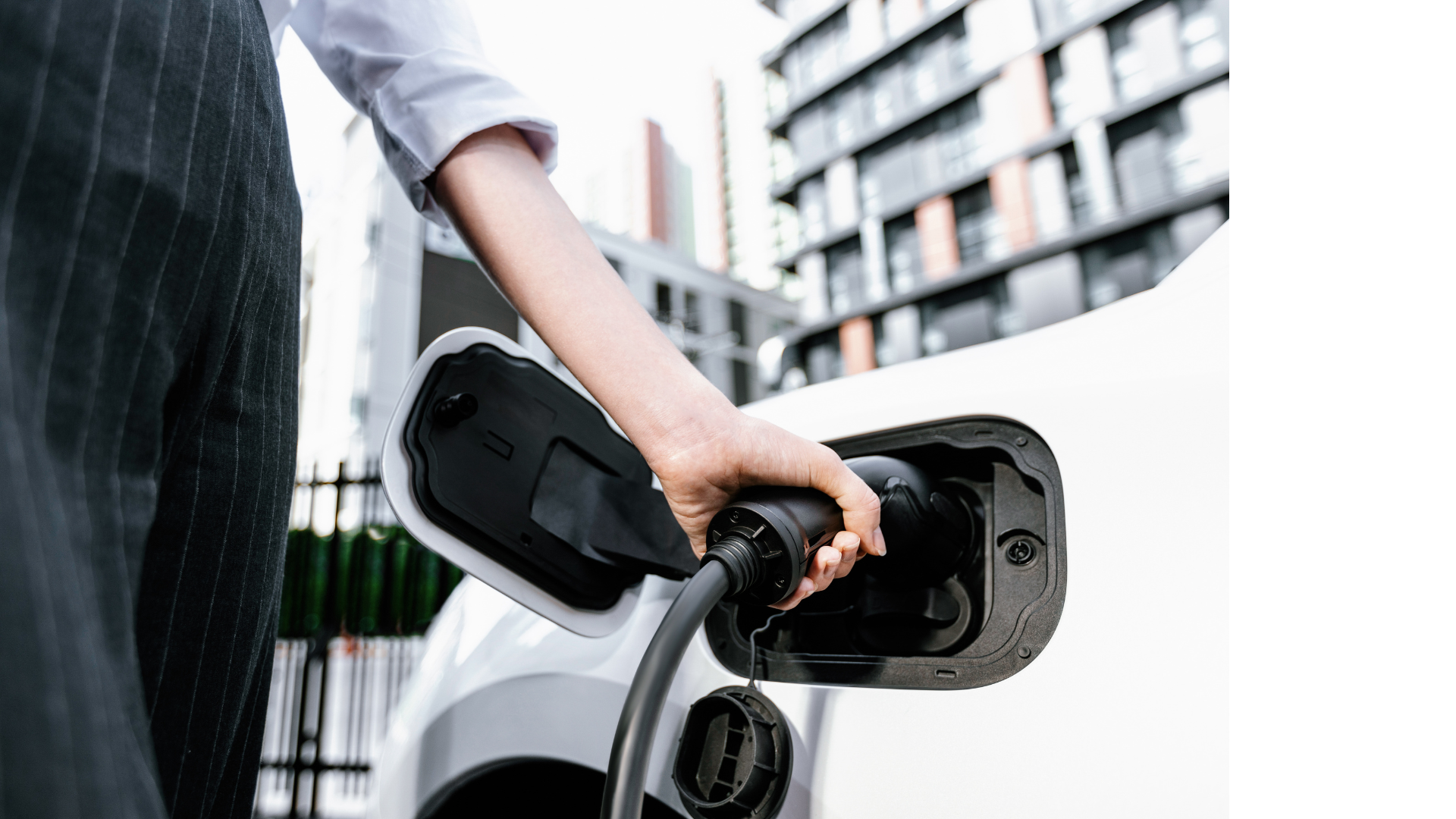
Electric vehicles (EVs) are becoming increasingly popular, and one of the most common questions people have is about the cost of charging them. While the exact cost can vary depending on several factors, this article will provide you with a general overview of EV charging expenses.
EV Charging Costs
Public EV charging stations often operate on a fee-based system, typically charging either a flat rate per charging session or a rate based on the amount of electricity consumed (kWh).
- Per-Session Fee: This model charges a fixed fee each time you plug in your vehicle, regardless of the duration or energy used. It's suitable for short charging sessions but can be less economical for longer stays.
- Per-kWh Fee: This model charges based on the specific amount of electricity your vehicle draws. It's more advantageous for longer charging sessions or vehicles with higher energy demands.
Some networks offer membership plans that provide discounted rates or additional perks. Additionally, many businesses and public venues offer free or discounted charging, often referred to as destination charging, to attract customers.
Learn more about the difference between kW and kWh for EV charging.

Earn 10¢ per kWh every time you charge
With metroEV Rewards, eligible customers earn rewards when charging. The more you charge, the more you earn.

Factors Affecting EV Charging Costs
Several factors can influence your EV charging costs. The efficiency of your vehicle plays a significant role, as more efficient models consume less energy per kilowatt-hour (kWh). Your driving habits, including the distance you travel and your driving speed, can also impact your charging costs. Additionally, the type of charging station you use can affect both charging speed and cost, with faster stations potentially having higher fees.
Find out how you can save on electricity costs when charging an EV.
Comparing EV Charging Costs vs. Gasoline
Compared to gasoline-powered cars, EVs often have a lower cost per kilowatt-hour (kWh) when it comes to charging. This can result in significant savings over time. Additionally, the total cost of ownership for an EV can be lower due to reduced fuel costs and maintenance expenses. Studies suggest that the average cost per kWh for an EV can be as low as $0.02 to $0.04, while for a gasoline-powered car, it might be around $0.10 to $0.15.
Related articles:
Is the Fear of EV Charger Fires Overblown? Here’s What the Data Shows
Rising EV Demand in Canada: Why Are More Canadians Choosing EVs?
5 EV Charging Myths Debunked
How to Save on Electricity Costs When Charging an EV
Get a quote today!
The cost of charging an electric vehicle can vary depending on a variety of factors, including your local electricity rates, the type of charging station you use, and your driving habits. However, in many cases, the cost of charging an EV is significantly lower than the cost of fueling a gasoline-powered car.
Contact metroEV to get a custom EV charging quote. Take the first step towards an electrified future with our team of experts today. Whether you are considering EV charging for multi-residential living, commercial, or retail spaces, we can help. metroEV is ready to tailor a solution that aligns with your unique EV charging goals ensuring a smooth transition.

AUTHOR
Shai Sinai
Shai is the Vice President of Sales at metroEV, specializing in electric vehicle charging station installations for multi-residential, commercial and public properties. With hands-on experience across the entire process—from site assessments and EV Ready planning to infrastructure design and installation—Shai brings deep industry knowledge and practical insight to every project.

.png)
 Recent EV Charger Installations
 0 unit infrastructure
 1 charging stations