Back
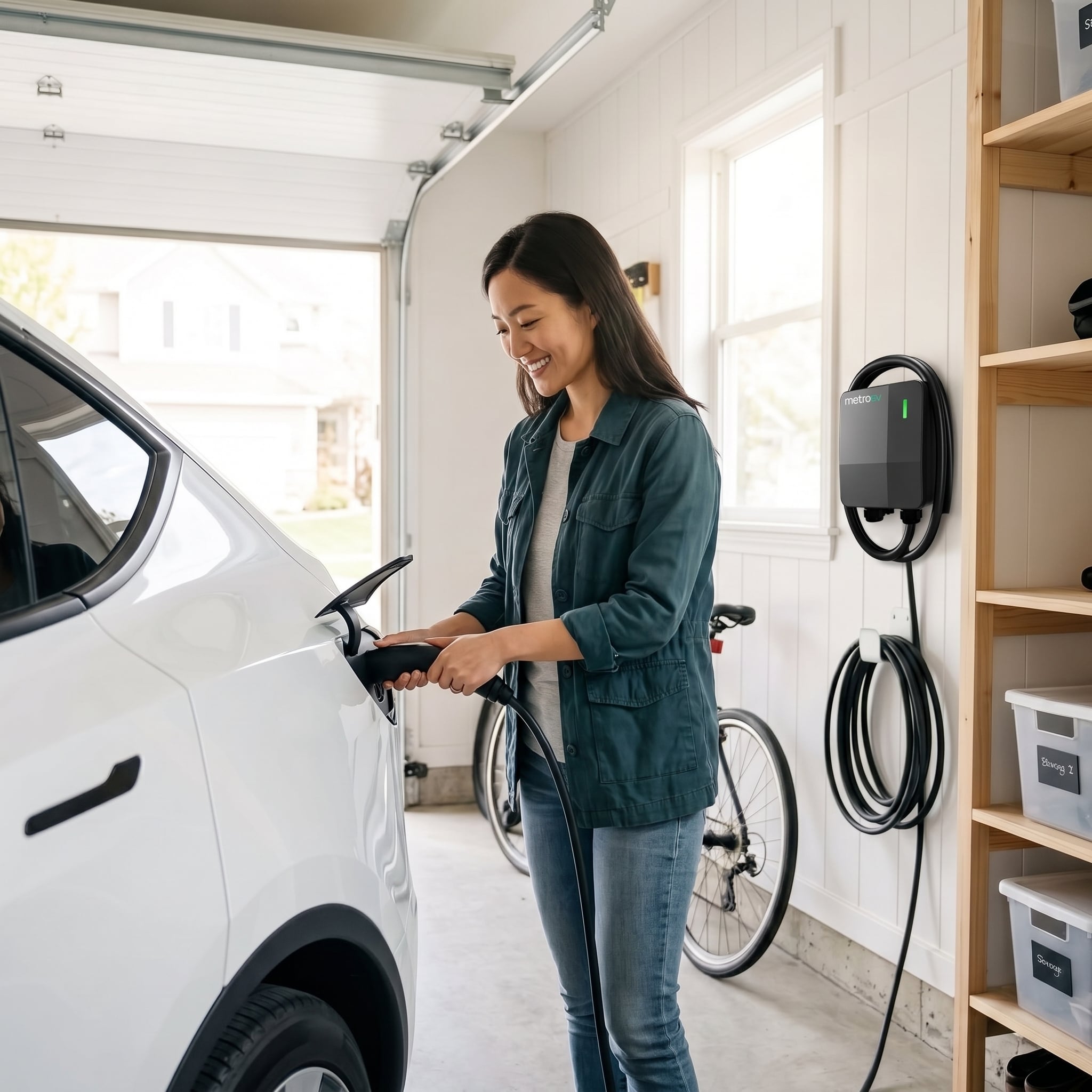
Getting the most out of EV charging at home requires more than plugging in your electric car. Choosing an electric car charger for home that is too powerful, overlooking electrical requirements, or installing your charger in the wrong location can lead to unnecessary costs, slower charging, or potential safety issues.
Here are five common home EV charging mistakes to avoid and how to make charging at home easier and more reliable.
Mistake #1: Overestimating your charging needs
A common mistake many EV owners make is assuming they need the fastest, most powerful charger available, such as a 40-amp or 48-amp charger. In reality, many drivers with short daily commutes can meet their charging needs with a lower-output Level 2 charger. Learn more about 32A vs 48A charging at home.
Before choosing an electric car charger for home, consider:
- Daily driving distance: How many kilometres do you typically drive each day?
- Parking time: How long does your vehicle remain parked at home overnight?
- Battery capacity: How much energy does your vehicle need to recharge after a typical day?
Mistake #2: Not double checking charger compatibility
Not every electric car charger for home is compatible with every vehicle. Choosing the wrong combination can result in slower charging or reduced charging performance.
Before purchasing an electric car charger for home, consider these important factors:
- Vehicle requirements: Different EV models support different maximum AC charging rates. Check your vehicle's specifications to determine how much charging power it can accept.
- Charger settings: Some chargers offer adjustable amperage. These settings must be configured to match the circuit, wiring, and breaker capacity.
Tip: Check your vehicle's charging specifications and have a qualified electrical professional assess your home's electrical system before choosing a charger.
Mistake #3: Not understanding your home's electrical capacity
Even if you've selected a compatible charger, your home's electrical system must be able to support it safely. Level 2 chargers generally use a 240-volt supply and a properly installed circuit. Before installation, a qualified electrical professional should assess your electrical panel, available capacity, and proposed charger location.
Depending on your home's setup, you may need a dedicated circuit, panel upgrades, or a suitable load management solution. Load management can help regulate the power supplied to an EV charger based on the electricity available in your home.
Tip: Plan for your current and future charging needs before installation. An electrical assessment can help you understand your options and avoid unexpected costs.
Learn more:
Understanding Home Electrical Panel Requirements for EV Chargers
Mistake #4: Not hiring a licensed EV installation professional
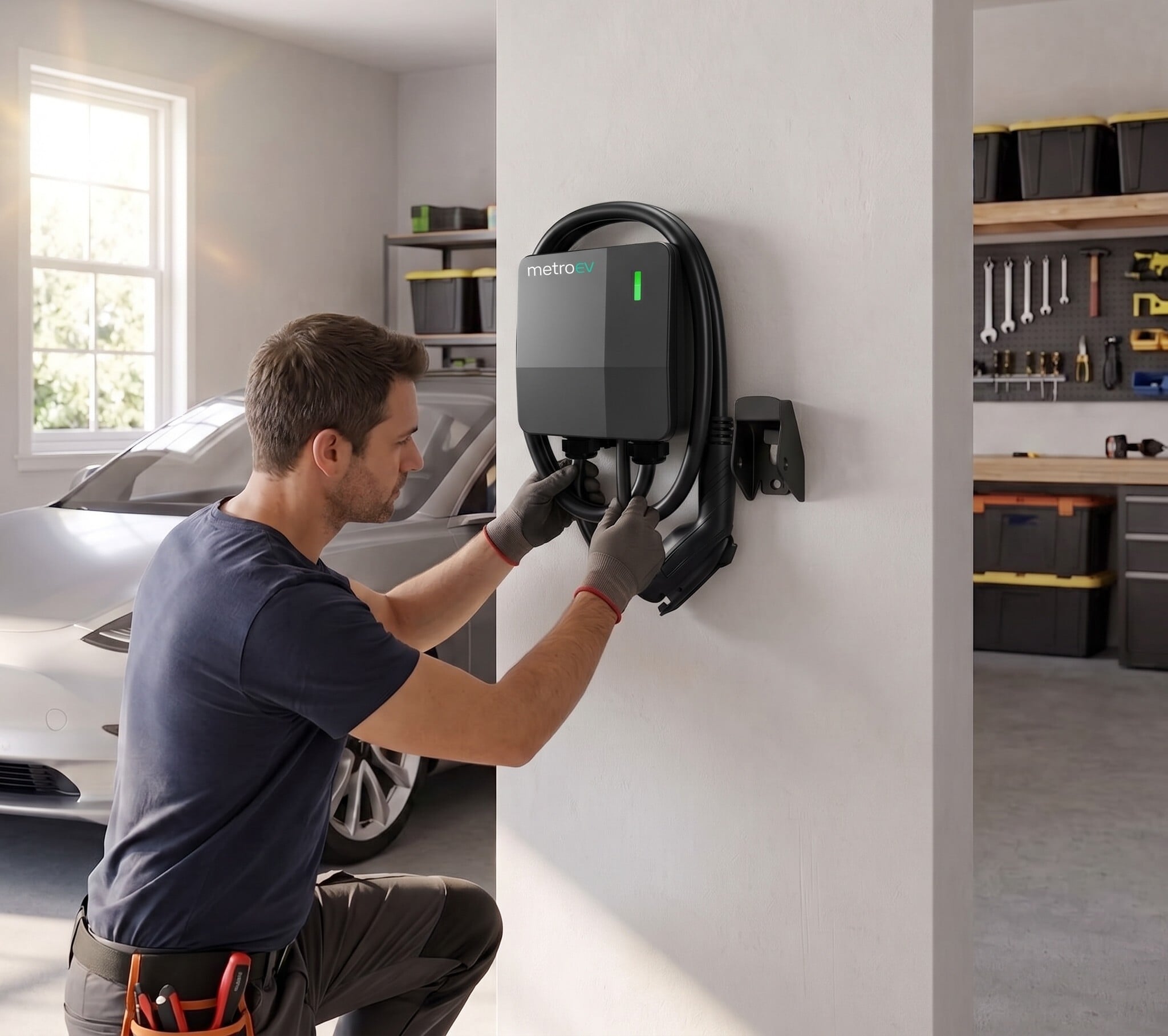
A licensed electrician can assess your home's setup, recommend suitable equipment, complete the installation, and handle any required permits and inspections. Learn more about EV charger installation permits.
An improper installation can create risks including electrical fires, electric shock, equipment damage, and vehicle damage. Non-compliant work may also lead to fines or insurance complications, depending on the circumstances.
Tip: We strongly recommend hiring a licensed electrical professional qualified to install EV charging equipment.
Mistake #5: Placing your home EV charger in the wrong location
Where you install your electric car charger for home matters just as much as the equipment you choose. Poor placement can make everyday charging inconvenient, increase installation costs, and expose equipment to avoidable damage.
Before settling on a location, consider the following factors.
- Convenience: Position the charger near your regular parking spot so the cable can reach your vehicle comfortably. Think about where your charging port is located and how you'll plug in and unplug your car.
- Weather exposure: Many chargers are designed for outdoor use, but they must be rated for the installation environment.
- Accessibility: Choose a location that won't be blocked by storage items, garbage bins, parked vehicles, or snow during winter.
- Installation costs: Placing the charger closer to the electrical panel may reduce the length of wiring required and help lower installation costs.
Learn more:
Cost to Install an EV Charger at Home: 5 Factors That Affect EV Charger Installation Cost
Thinking of installing EV charging at home?
Choosing the right electric car charger for home, checking compatibility and electrical capacity, hiring a qualified installer, and planning your charger's location can help you avoid common problems and unnecessary expenses.
Contact metroEV to learn more about getting started with home EV charging.
Learn more about home EV charging:
How to Install an EV Home Charging Station: An Electric Car Home Charging Station Guide
EV Charger Installation Permit: Do I Need a Permit to Install an EV Charger at Home in Ontario
Understanding Home Electrical Panel Requirements for EV Chargers
32A vs 48A Charging: Which EV Home Charger Is Right for You?

AUTHOR
Shai Sinai
Shai is the Vice President of Sales at metroEV, specializing in electric vehicle charging station installations for multi-residential, commercial and public properties. With hands-on experience across the entire process—from site assessments and EV Ready planning to infrastructure design and installation—Shai brings deep industry knowledge and practical insight to every project.

 Recent EV Charger Installations

 0 unit infrastructure
 1 charging stations